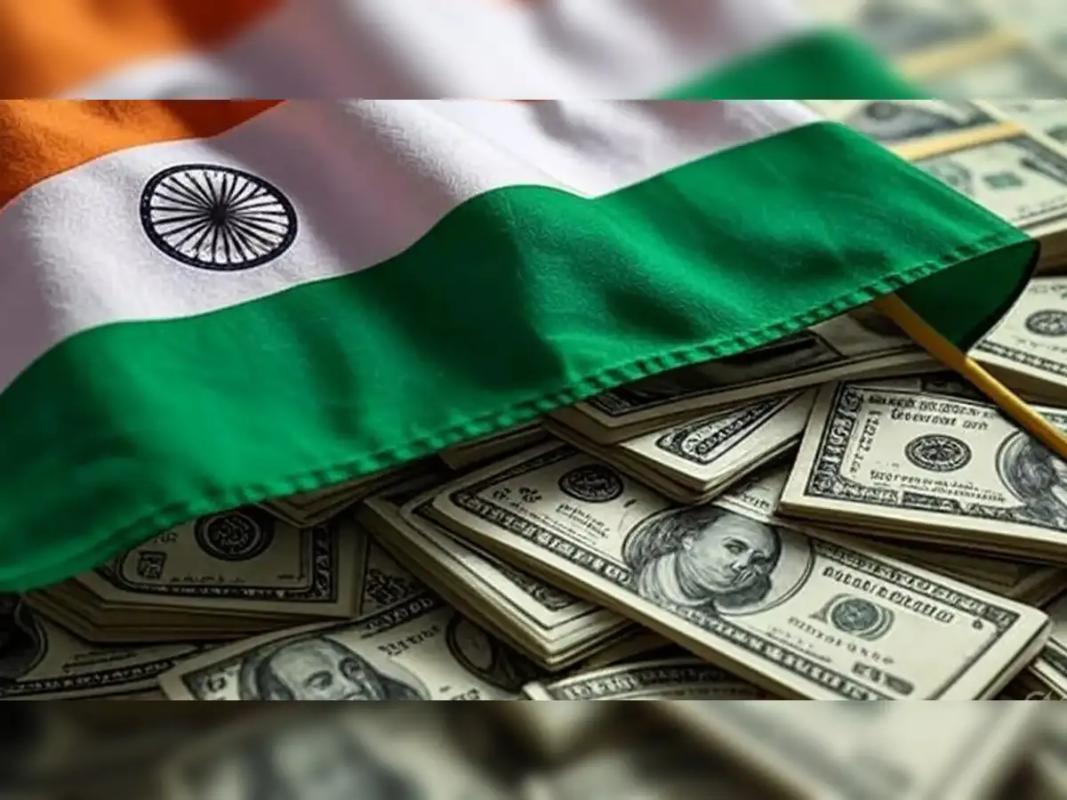
Diaspora Power: How $135B Remittances Bolster India's Economy
India's economic narrative often highlights its booming domestic market, robust IT sector, and growing manufacturing capabilities. However, an equally potent, yet sometimes understated, force driving its financial stability comes from beyond its borders: the dynamic and ever-growing indian diaspora remittances. These private transfers from overseas Indians have reached unprecedented heights, cementing India's position as the global leader in remittance receipts and playing a pivotal role in strengthening the nation's economic resilience.
In a truly remarkable display of economic allegiance and familial ties, overseas Indians sent a record-breaking $135.6 billion in private transfers during Fiscal Year 2025. This staggering figure represents a substantial 14% increase compared to FY24, according to insights shared by Gaura Sengupta, Chief Economist at IDFC First Bank. This surge isn't just a headline number; it's a powerful testament to the diaspora's unwavering commitment to their homeland, providing critical financial flows that impact everything from household consumption to national foreign exchange reserves.
The Unprecedented Surge: India's Remittance Story
The journey of indian diaspora remittances reaching new peaks is a story of consistent growth and evolving global economic landscapes. For two consecutive financial years, these transfers have comfortably surpassed the $100 billion mark, highlighting a sustained upward trend that speaks volumes about the diaspora's expanding presence and prosperity worldwide.
Breaking Records and Sustaining Growth
The latest figures paint a vivid picture of this ascent. The $135.6 billion recorded in FY25 is not merely a new high; it signifies a consistent and robust growth trajectory. These funds, categorized under the current account as personal transfers, encompass vital family maintenance, education expenses, healthcare support, and even withdrawals from non-resident deposit accounts. This infusion of capital is a direct and impactful contributor to the livelihoods of millions of families across India, acting as a crucial social safety net and an engine for grassroots economic activity.
Furthermore, the World Bank's prediction of a 3.1% growth in remittances to low-and-middle-income countries in 2024, despite weaker global economic activity, underscores the resilience and increasing importance of these cross-border financial flows. India's performance far outstrips this global average, showcasing its unique position and the profound loyalty of its diaspora.
A Decade of Doubling Down: From $61B to $135B
The impressive FY25 figures become even more significant when viewed in a historical context. Data from the Reserve Bank of India reveals that India's remittance inflows have more than doubled in just eight years, soaring from $61 billion in 2016-17 to the current $135.6 billion. This meteoric rise highlights several key trends: the increasing global mobility of the skilled Indian workforce, their growing economic strength in adopted countries, and the enduring connection they maintain with their roots. This doubling effect is a powerful indicator of India's increasing reliance on international labor markets and the substantial returns this engagement yields for the domestic economy. For a deeper dive into this growth, explore Indian Remittances Double in 8 Years: The $135B Story.
Beyond Personal Support: Macroeconomic Impact
While the immediate benefits of indian diaspora remittances are felt at the household level, their aggregate impact reverberates throughout India's broader economy, providing essential macroeconomic stability and growth impetus.
Bridging the Trade Deficit and Stabilizing Finances
One of the most critical roles played by these remittances is in offsetting India's substantial trade deficit. In FY25, the record $135.6 billion in diaspora remittances effectively offset a remarkable 47% of India's $287 billion trade deficit. This direct infusion of foreign currency helps to balance the nation's external accounts, reducing its reliance on other forms of capital inflow and strengthening its balance of payments position. Without such significant remittance flows, the pressure on India's foreign exchange reserves would be considerably higher, potentially leading to currency volatility and economic instability.
A Pillar of External Resilience
The consistent flow of remittances acts as a vital buffer against external economic shocks. In an increasingly interconnected and sometimes volatile global economy, a strong and diversified source of foreign exchange is invaluable. Overseas Indians, through their continuous financial contributions, provide just such a resilient pillar, helping to stabilize India's external finances and allowing the government greater flexibility in managing its economic policies. This makes India less susceptible to global capital flight and gives it a stronger footing in international financial markets. To understand the broader context of India's position as a global top recipient, see India's Record $135 Billion Remittances: A Global Top.
Shifting Sands: Evolving Sources of Remittance
The geographical sources of indian diaspora remittances are undergoing a notable transformation, reflecting broader changes in global migration patterns and economic opportunities.
The Ascendancy of Western Economies
Historically, the Gulf nations were significant contributors to India's remittance inflows. However, recent trends indicate a shift, with private transfers from Gulf nations showing a reduction. Concurrently, Western economies like the United States, the United Kingdom, and Singapore have emerged as dominant sources. Together, these three countries alone contributed an impressive 45% of the total remittances. This shift can be attributed to several factors:
- Skilled Workforce Migration: A growing number of highly skilled Indian professionals are migrating to Western countries, where they often command higher salaries and have greater disposable incomes.
- Economic Stability and Opportunities: Developed economies often offer more stable job markets and better long-term career prospects, encouraging a sustained flow of remittances.
- Favorable Policies: Positive developments, such as the U.S. Senate's reduction of its proposed remittance tax from an earlier 3.5% to just 1%, further incentivize transfers from these regions, making it more cost-effective for the diaspora to send money home.
Navigating Changes in the Gulf Region
The reduction in transfers from Gulf nations could be due to a combination of factors, including economic diversification efforts in these countries, "Nativization" policies affecting expatriate employment, and potentially a maturation of the remittance market from these regions. Despite this, the overall increase in total remittances demonstrates the diversified strength of the indian diaspora remittances network, effectively compensating for shifts in regional contributions.
The Future of Indian Diaspora Remittances: Opportunities and Challenges
Looking ahead, the trajectory of indian diaspora remittances appears promising, yet it is also subject to global economic dynamics and technological advancements.
Leveraging Technology for Easier Transfers
The rise of digital payment platforms and fintech innovations has significantly streamlined the process of sending money across borders. Modern remittance services offer faster, more secure, and often more affordable options compared to traditional methods. This ease of transfer is a key driver for increased remittance flows. For the diaspora, choosing reputable services with transparent fees and competitive exchange rates is crucial. For recipients, understanding how to securely receive and manage digital transfers is equally important.
The Role of Policy and Global Economics
The future of remittances will undoubtedly be influenced by global economic health, migration policies in host countries, and India's own initiatives to engage its diaspora. Policies that foster fair migration practices, protect the rights of overseas workers, and reduce the cost of remittances will be vital. Furthermore, India's continued economic growth and stability at home can encourage even greater investment and financial engagement from its diaspora, transforming remittances from mere support payments into active capital for national development.
Practical Tips for Maximizing Remittance Impact:
- For Senders (Diaspora):
- Compare Services: Research various money transfer platforms for the best exchange rates and lowest fees.
- Leverage Digital: Utilize online and mobile apps for speed and convenience.
- Understand Regulations: Be aware of the tax implications for both sender and receiver.
- Educate Recipients: Provide guidance on financial literacy and smart usage of funds.
- For Recipients (In India):
- Prioritize Needs: Allocate funds first to essential needs like food, housing, healthcare, and education.
- Save and Invest: Consider saving a portion for future security or investing in productive assets like small businesses, property, or education.
- Financial Inclusion: Utilize banking services and explore financial products like fixed deposits or mutual funds.
- Avoid Debt Traps: Use remittances to reduce high-interest debt rather than accumulating more.
Conclusion
The record $135.6 billion in indian diaspora remittances in FY25 is far more than just a figure; it represents the profound and enduring bond between overseas Indians and their homeland. These transfers are not merely personal gifts; they are a formidable economic force that provides crucial macroeconomic stability, offsets significant trade deficits, and empowers millions of families. As India continues its journey towards becoming a global economic powerhouse, the steadfast contributions of its global diaspora will remain an indispensable pillar, strengthening its financial foundations and reflecting the true power of connection and community.